
One Screen, One Sudden Pay Shock

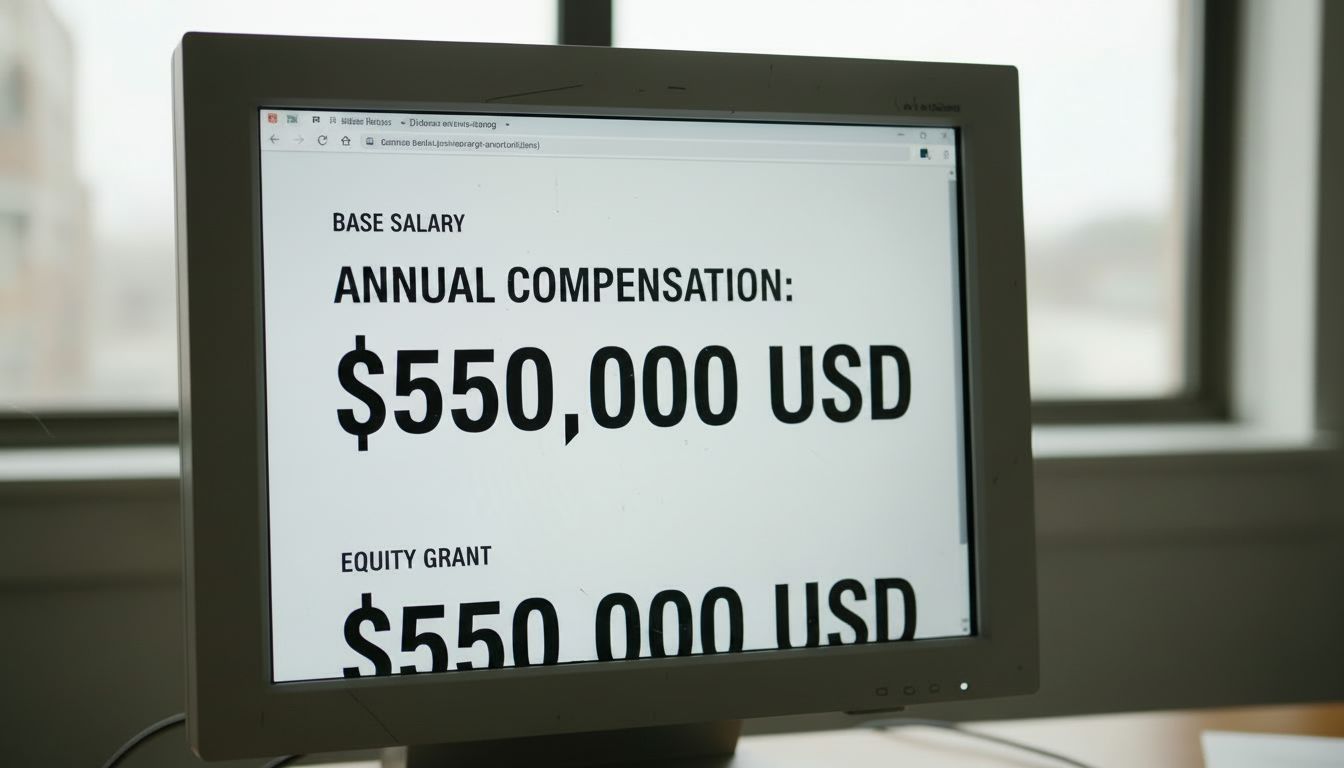
It began with a casual look across a row of desks and ended up teaching everyone something they did not expect. OOP noticed Greg’s unlocked monitor, a PDF blown up so big the numbers were impossible to miss, and the mood in the office shifted. What followed was not a tidy formal complaint, but a slow unwind of calculations, suspicion, and a quiet coworker who seemed to be pulling the strings. By the time it settled, the story was less about dollars and more about who was paying attention.
Same Job, Much Higher Pay

The number hit OOP like a slap: Greg’s salary was $31,000 more. That gap mattered because they had the same title, worked on the same team, and OOP had even trained him after he was hired eight months later. What had been a workplace fact turned personal and humiliating fast. Meetings became background noise while OOP ran mental math, even landing on a gut figure of $14.90 lost value every hour they sat next to Greg.
Spreadsheet Obsession, Tracking Every Minute
OOP turned the shock into a passworded file called Greg Data, part practical ledger and part obsession. They added columns, tabs, and a private Evidence section to make the feeling feel official. At one point OOP posted a running total of $6,100 after two weeks, and readers promptly corrected the math down to about $1,700. The error did not erase the sting, but it added a reminder that even the spreadsheet was charged with feeling.
Manager Talk and The Break Room

OOP booked a meeting with manager Peizhi and said plainly, I think I am underpaid, bringing the job posting as proof. Peizhi answered with the usual lines about budget, market conditions, and hire timing, and promised to circle back. Later OOP asked Greg in the break room why the PDF had been left visible, and Greg laughed and said Tingting told him to do it. That claim shifted the scene from accident to deliberate nudge.
Tingting’s Quiet Power, Unresolved Ending

Tingting turned out to be the low-key force behind the nudge: experienced, respected, and paid more than both of them. She walked past at exactly 5:00 PM and gave OOP a one-second look that felt like confirmation. OOP renamed the Evidence tab TINGTING WAS HERE, half joke, half salute. The manager was expected back Friday, so no raise was announced, but everything in the office now read differently and OOP could no longer unsee the numbers.
Oop Trained Greg
The resentment deepened because Greg had not arrived as some senior outside expert. He was hired eight months after OOP, and OOP personally trained him. That meant the person earning far more had once been the one learning from OOP. In a workplace, that kind of detail can change a discovery from surprising to humiliating. It adds history to the math, and the math starts feeling personal very quickly.
The Math Starts

After that, OOP could not stop thinking about the difference. Meetings became less about the agenda and more about the invisible financial gap sitting across the desk. OOP began doing mental calculations, measuring how much value was being lost by simply sharing a room with Greg. The emotions are familiar to anyone who has ever felt underpaid, but OOP’s version took on a particularly focused, almost mechanical intensity.
Relative Value

One of OOP’s most memorable calculations was the idea that they were losing $14.90 of relative value every hour they sat next to Greg. That number is less about exact accounting and more about how thoroughly the discovery had taken over their head. Even ordinary office time started to feel translated into money. It is a sharp example of how pay inequity can invade daily life, turning meetings and desk time into a running tally of frustration.
Greg is Not the Villain

What keeps the story from becoming simple anger is that OOP does not paint Greg as a bad person. They describe him as competent, friendly, and generally pleasant to be around. He was not rude, mean, or difficult. In fact, the contrast between his personal behavior and his compensation made everything more complicated. It is one thing to resent a faceless company structure, and another to do it while sitting beside someone you actually like.
Friday Stroopwafels
Greg also had a small office ritual that made him easier to appreciate. Every Friday, he brought stroopwafel cookies for the office, which gave him a friendly, almost dependable presence in the group. These small gestures matter because they keep the story grounded in a real workplace rhythm. Greg was not a distant figure. He was the person who shared snacks, showed up, and felt like part of the daily fabric of the team.
A Birthday Dinner Too

OOP makes it clear that the relationship went beyond professional politeness. They had even gone to Greg’s birthday dinner and bought him a gift. That detail adds a quiet layer of awkwardness to the salary discovery. It is harder to absorb a pay gap when the person on the other side feels like a friend. The workplace had blurred into something more social, and that made the numbers sting even more.
The Salary Range

When OOP looked up the original job posting, the emotional picture became even clearer. The salary range for the role placed OOP at the bottom and Greg at the top. Same range, same title, same team, but opposite ends of the pay band. That is the kind of detail that can make a worker feel boxed in by timing rather than merit. OOP summed up the feeling with a comparison that made the whole thing sound absurdly tidy and deeply unfair.
First Class on the Bus

OOP’s metaphor was simple and memorable. They said it felt like being on the same bus as Greg, except he was in first class. That line works because it captures the everyday unfairness without needing more explanation. Everyone understands the feeling of sharing the same ride while someone else gets a much better seat. It is a comic image, but the joke only lands because the underlying frustration is so real.
Greg Data Begins

The next phase of the story is where OOP’s mind really starts to spiral. They created a password-protected spreadsheet called Greg Data, which sounds equal parts practical and obsessive. That name says a lot by itself. This was no longer just a complaint in passing. It had become a system for tracking the emotional and financial weight of the discovery, one tab at a time.
Tracking the Gap
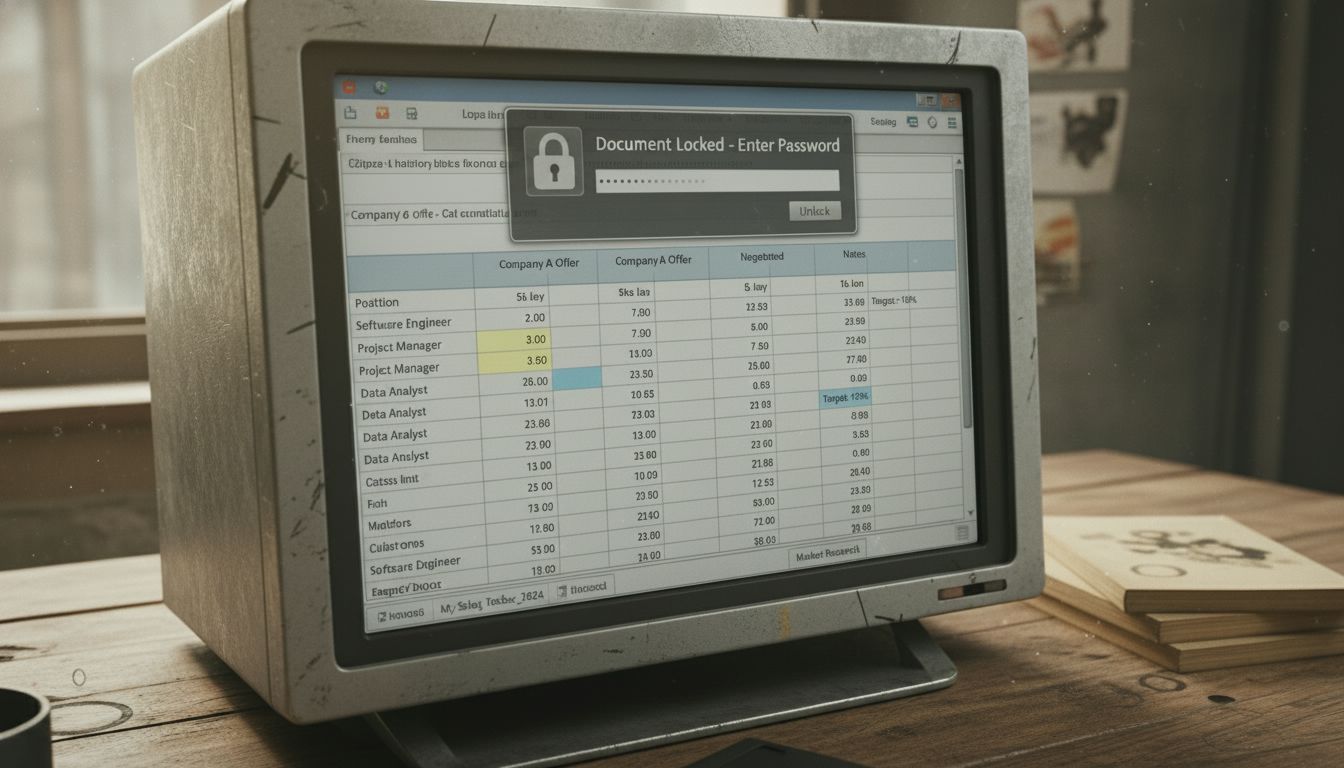
Inside Greg Data, OOP started building out columns and recording the growing difference. The spreadsheet became a private place to process what felt like public unfairness. Every working day added another line to the record, and every line made the situation feel more official. This is part of why the story resonated so strongly with readers. It turns a private workplace grievance into a painfully relatable act of documentation.
The Wrong Total
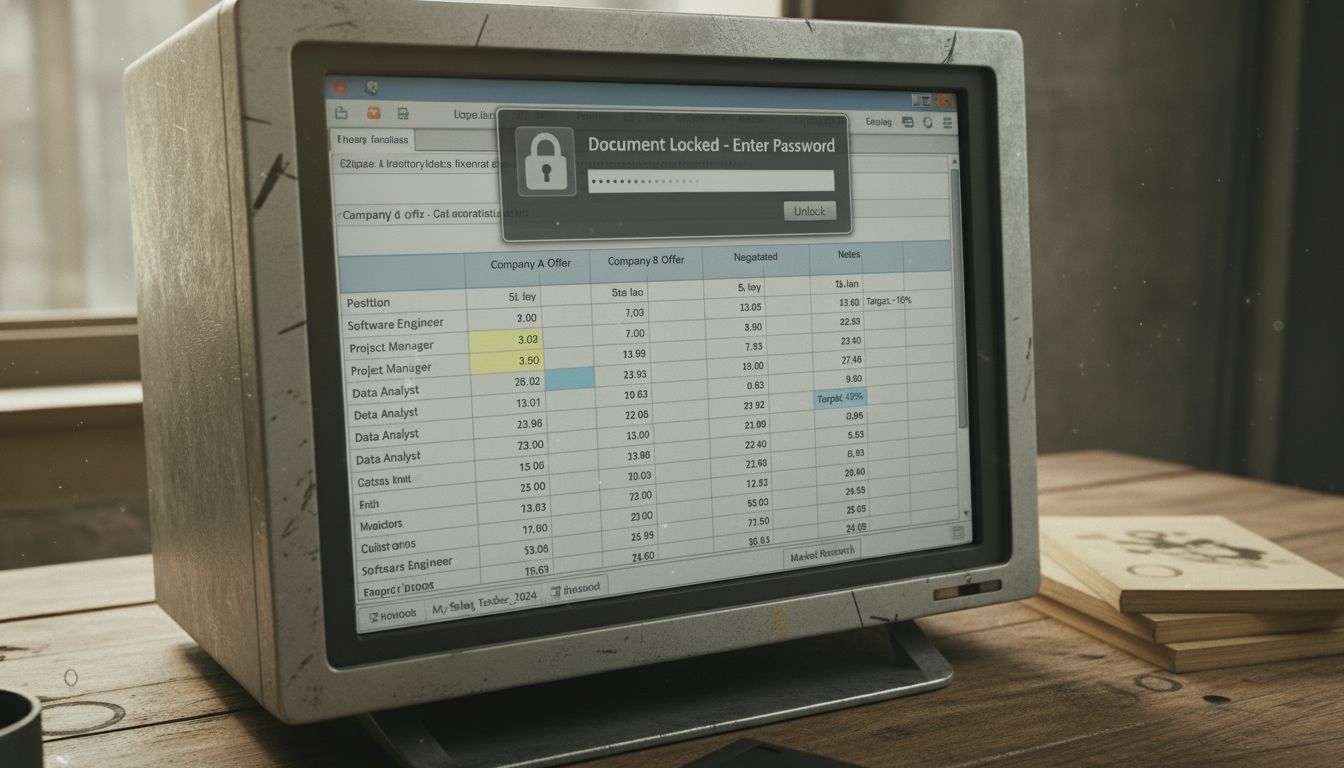
At one point, OOP said the running total had reached $6,100 after 14 working days. That number is what triggered the community’s immediate instinct to check the math. Readers pointed out that the calculation should have been far lower, closer to $1,700. The correction did not make the situation less frustrating, but it did add a funny layer to the story. Even the spreadsheet had become emotionally charged enough to be wrong in a dramatic way.
The Bottom Range

When the math was called out, OOP did not get defensive in a big way. Instead, they responded with a line that captured both embarrassment and resignation: now they knew why they were paid in the bottom range. It is a sharp little joke, but it also shows how quickly the story had gone from surprise to self-awareness. Once a worker sees a number like that, every explanation starts to sound like a variation on the same theme.
Maybe Greg Knows

The comments began to shift the story in a new direction. Some people wondered whether Greg had intentionally left the salary document visible as a signal. That idea changed the tone from simple accident to possible message. If true, it meant the reveal was not just a workplace mistake, but a nudge from one coworker to another. OOP had not yet confirmed anything, but the suspicion alone made the whole episode feel more pointed.
Monday Morning Coffee

Then Greg approached OOP with coffee and asked a question that landed with real weight: whether they were doing anything about the pay thing. OOP says they had never told Greg about the salary discovery, which made the moment feel strangely direct. Greg did not come in with a speech or a dramatic reveal, just a small question delivered casually. In a story full of spreadsheets and hidden calculations, that plain sentence carried a lot of force.
The Pay Thing

OOP asked what Greg meant, and the conversation did not go very far. Greg paused, said never mind, and walked away. That brief exchange is important because it keeps the mystery alive without overexplaining it. It also shows how workplace tension often moves in hints rather than open declarations. Nobody says everything all at once, especially when compensation is involved.
Another Spreadsheet Tab

After that, OOP added a new tab to Greg Data labeled Evidence. The naming alone shows how far the whole situation had gone from a salary shock to a personal investigation. The spreadsheet was no longer just about numbers, it was about proof, interpretation, and suspicion. The update made the emotional arc even more vivid because OOP was clearly trying to organize a feeling that had become too large to hold in memory alone.
The Wednesday Cookie

Then came a small detail that made OOP even more suspicious. A stroopwafel appeared on their desk on a Wednesday. That stood out immediately because Greg’s cookie habit was normally a Friday-wide routine, not a midweek gesture aimed at one person. The placement of the cookie turned an ordinary office snack into a possible signal. In a story already defined by hidden meaning, even a pastry started to look deliberate.
Not Just a Friday Habit

OOP noticed the timing and could not ignore it. If Greg usually brought stroopwafels on Fridays for everyone, then a Wednesday appearance at OOP’s desk suggested something different. That kind of small inconsistency can feel huge when someone is already on alert. It gave the whole story a detective feel without leaving the boundaries of a normal office. The details were still ordinary, but now they carried a charge.
The Day of Week Column

In response, OOP added a Day of Week column and highlighted Wednesday in yellow. That is where the story becomes both funny and revealing. The spreadsheet was no longer just tracking compensation, but also the timing of snacks and possible signals. OOP’s mind had turned into a filing system, and every small event got sorted for meaning. Readers understood the humor because many people have had one workplace mystery become far too important in their heads.
Greg if You Are Reading

OOP eventually wrote, in effect, that if Greg was reading this, they were onto him, even if only somewhat. That line captures the mix of doubt and certainty that ran through the whole post. OOP did not have proof, just pattern recognition and a growing sense that something was being communicated. The tone stayed playful, but the frustration underneath remained real. At this stage, the story had become as much about interpretation as it was about pay.
A Meeting with Peizhi
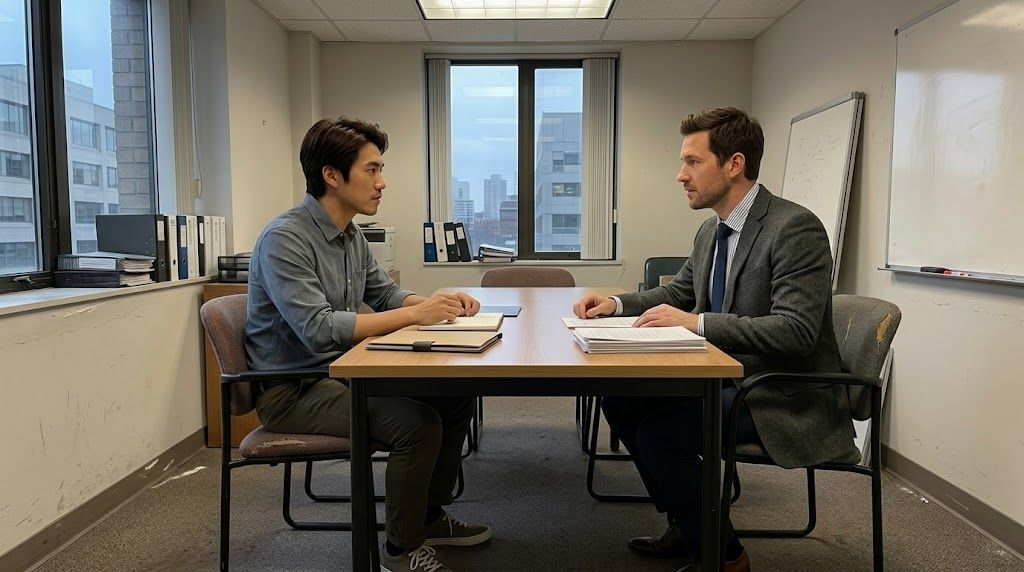
When commenters told OOP to talk to management, OOP said they had a meeting scheduled with their manager the next day. That made the story feel like it was moving from private rumination into official territory. It is one thing to calculate inequity in a spreadsheet, and another to say it out loud to a manager. The anticipation around that conversation gave the next part of the story real momentum.
I Think I Am Underpaid

OOP walked into Peizhi’s office and said the words plainly: I think I am underpaid. That directness matters because it strips away all the spreadsheet theater and gets to the core of the issue. OOP brought Greg’s job posting as documentation, which gave the complaint structure instead of just emotion. The meeting was now framed not as a rant, but as a compensation discussion grounded in the company’s own range.
Growth Trajectory Talk

Peizhi responded with familiar corporate language about experience, market conditions, and budget at the time of hire. It was the kind of explanation many workers have heard before, polished enough to sound thoughtful without offering much comfort. OOP interpreted it in a sharper way. From their perspective, Greg had been hired when the budget allowed it, and OOP had been hired when it did not. That made the difference feel less like strategy and more like timing punishment.
Circle Back

Peizhi said she would look into it and circle back, which is a phrase that can sound reassuring in the moment and vague afterward. OOP’s response, that she had only circled, was dry and memorable. It fits the mood of the whole story, where official language keeps floating above the actual problem. The reader can feel the gap between what is said and what is resolved. At this point, no real answer had been given yet.
The Break Room Question

After the manager meeting, OOP confronted Greg in the break room and asked why he had left the PDF like that. That question is the point where suspicion becomes direct confrontation. It also shows how much the salary discovery had taken over the conversation between them. What began as a chance glance across monitors had now become something they both had to acknowledge. The break room setting keeps it grounded, which makes the tension feel even more real.
Tingting Told Me To

Greg laughed and said Tingting had told him to do it. That answer completely changed the shape of the story. Tingting had been introduced earlier as a quiet, hyper-competent coworker, but now she became central to the whole thing. Greg’s response suggested the screen moment was not random at all. It was part of a deliberate effort to push OOP toward the truth.
Show the Numbers

Greg explained that Tingting had noticed OOP was spiraling and told him to show the numbers so OOP would figure it out. That line turns the story from one about accidental discovery into one about guided discovery. Tingting was not just observing from the sidelines, she was apparently orchestrating the reveal. It gives the whole arc a subtle, almost strategic feel. Instead of letting OOP stay stuck in private frustration, she seems to have pushed them toward action.
She Knows More
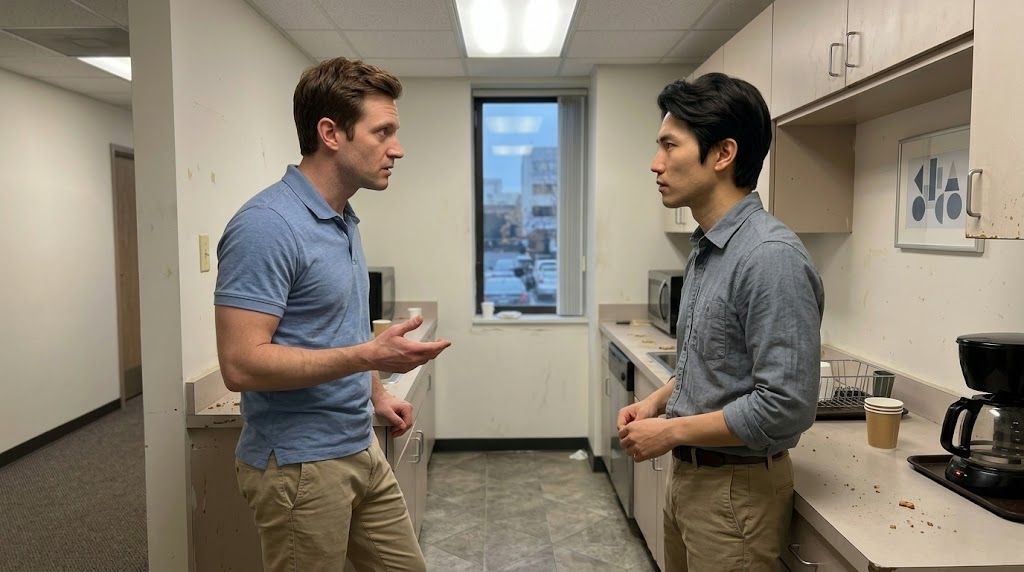
OOP then asked how much Tingting made, and Greg answered that it was more than his, a lot more, because she had been there longer than both of them. That answer deepened Tingting’s aura immediately. She was not only more experienced, she was also positioned above the normal office noise in a way that others seemed to understand instinctively. The story shifts here from a salary grievance to a quiet hierarchy lesson. The people with the most influence are not always the loudest.
The Quiet Power

Once Tingting entered the picture in full, OOP started to understand the office differently. Tingting sat two rows over, left exactly at 5:00 PM, and seemed to carry a kind of unspoken authority that nobody needed to announce. OOP describes her as the most powerful person in the office, and Greg agrees. That agreement matters because it confirms the feeling was not just in OOP’s head. Sometimes a workplace’s real center of gravity is the person who says the least.
A Look at Five

At exactly 5:00 PM, Tingting walked past OOP’s desk and looked at them for one second. That tiny moment became the emotional center of the ending. It was not a speech, not a confrontation, just a glance that carried everything the story had been building toward. OOP read that look as the sign of someone who had seen the whole situation unfold from the start. In the logic of the post, it felt like confirmation.
The Most Powerful Person

OOP says Tingting is the most powerful person in the office, and that line feels both joking and sincere. Greg immediately agreed, which gave the statement more weight than a casual joke usually has. By this point, Tingting had gone from background figure to hidden driver of the entire chain of events. She noticed the problem, nudged Greg, and made sure OOP could not keep ignoring the numbers. That is a strong kind of workplace authority, even if it never comes with a formal announcement.
The Evidence Tab Changes
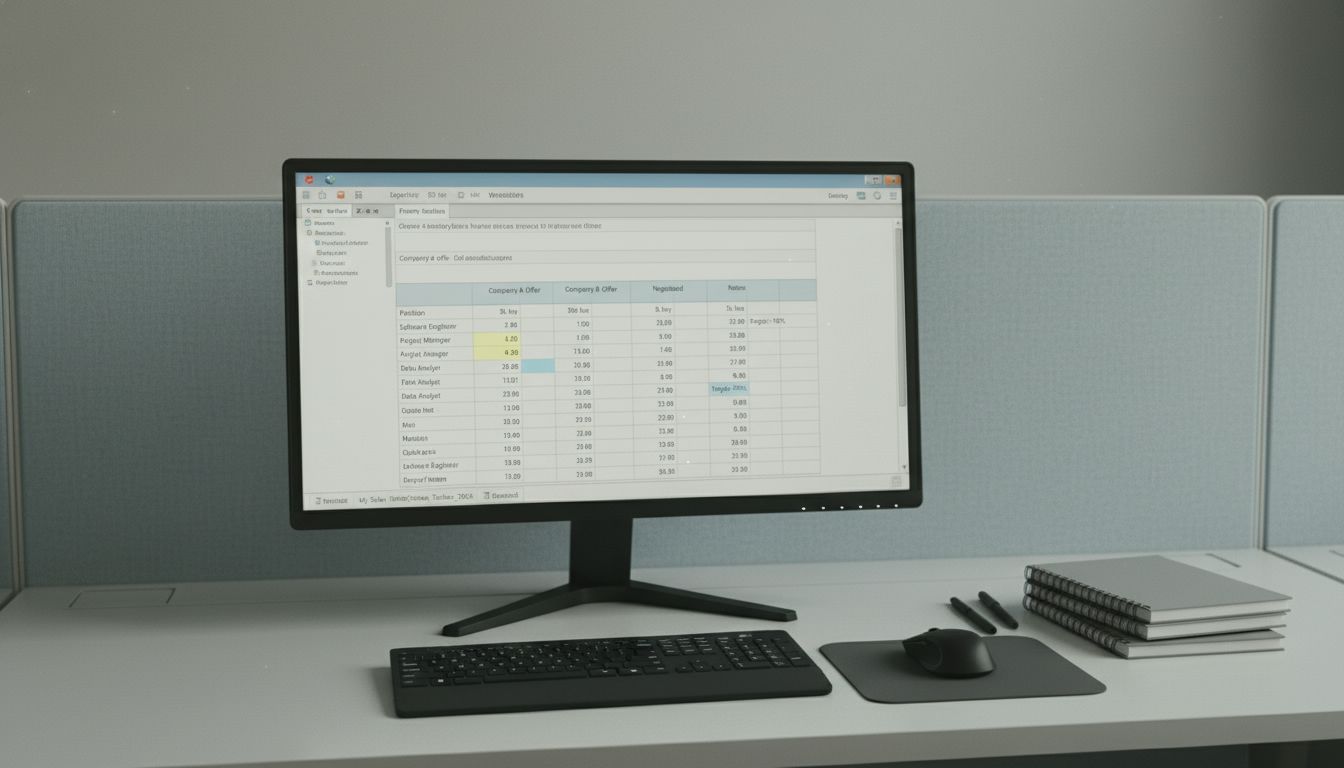
In response to everything, OOP renamed the Evidence tab to TINGTING WAS HERE. That is the kind of ending that feels very specific to the internet and very true to the emotional state of the narrator. It is half joke, half acknowledgment that the mystery has been solved in a way that still leaves room for more questions. The spreadsheet stops being a private record and becomes a tribute to the person who quietly forced the issue into the open.
Still Waiting on Friday

The story does not end with a raise or a clear decision from management. OOP says the manager is expected to come back on Friday, which leaves the compensation question unresolved. That unresolved feeling is part of why the post works so well. It gives readers a full emotional arc without pretending the workplace problem is instantly fixed. The only real certainty is that OOP now sees the office differently, and Tingting’s silence has become impossible to ignore.
What the Story Leaves Behind

By the end, this is less a story about one PDF than about the way workers learn where they stand. OOP discovers the gap, measures it, argues with it, and finally brings it to management, but the deeper shift is personal. They see how compensation can shape dignity, how quiet coworkers can hold real influence, and how a small office gesture can become a turning point. The unresolved salary issue still matters, but the bigger change is that OOP can no longer pretend not to know what the numbers mean.
What We Can Learn From This

The thing that sticks is how a small, ordinary moment forced a bigger truth into view. A PDF left on a screen, a spreadsheet, a quiet look from Tingting turned private frustration into public action. OOP did what a lot of people only think about - they measured the gap, named it, and then said it aloud. The takeaway is simple and sharp: sometimes the work you do to understand a problem is the first step toward changing it.
Small Acts, Big Consequences

This story shows how tiny choices add up. Leaving a screen unlocked, bringing a snack on a different day, pausing by a coworker with coffee - each detail piled into suspicion and momentum. OOP turned those little things into a running record and suddenly the ordinary felt consequential. That weight is what makes pay conversations hard and also what makes them necessary.
Why Silent Power Matters

Tingting's role is the quiet center of the whole arc. She did not shout, she noticed, and she pushed the situation forward without fanfare. That kind of influence is easy to miss until it shows up as a single, meaningful look. Workplaces often have unofficial gatekeepers whose actions change things more than formal titles do.
What OOP Did Right

OOP let the emotion fuel action rather than only complaint. They documented the gap, pulled the job posting, and brought the data into a manager meeting. That turned a private grievance into a structured conversation. You can see the shift from spiral to procedure in that moment, and that is where real change starts.
Next Moves That Make Sense

There is no tidy ending here, but there are steady steps. Check posted ranges, keep records, ask your manager direct questions, and give them a chance to respond. Expect some corporate language and watch whether it turns into actual follow-through. If nothing changes, you will at least leave with clarity about where you stand.